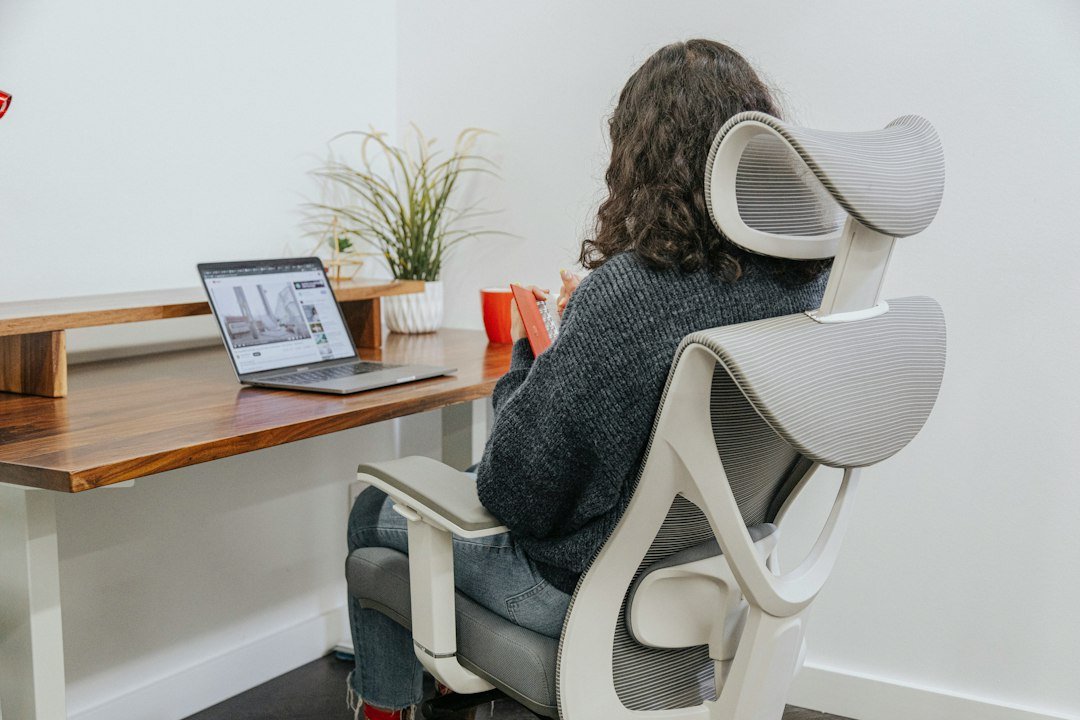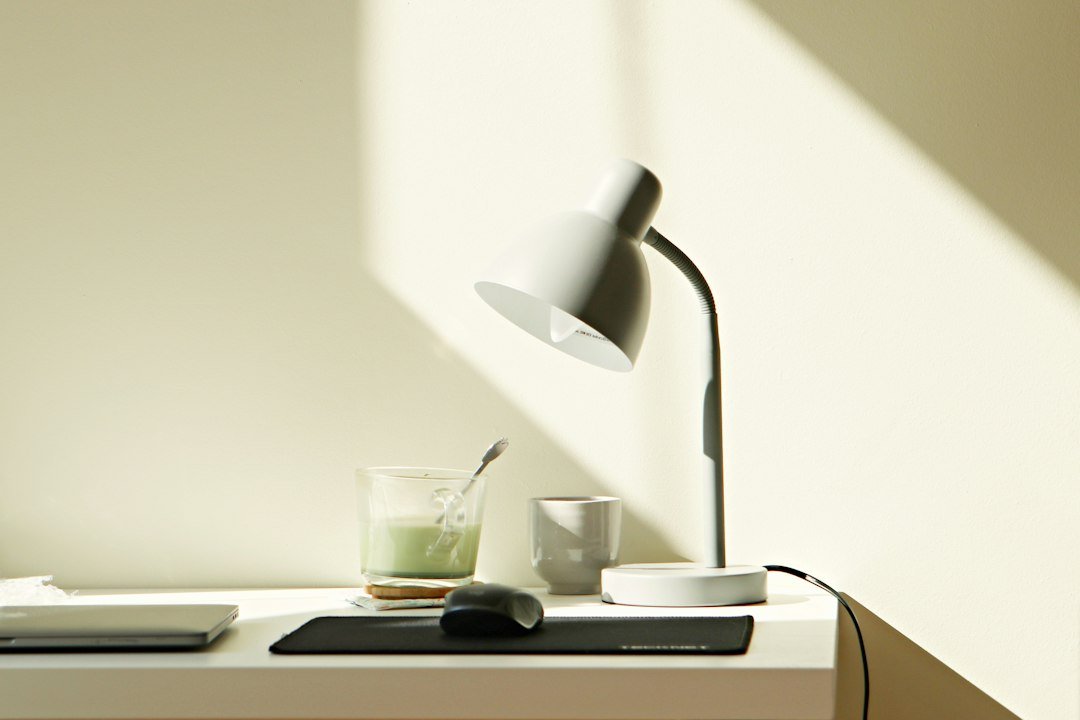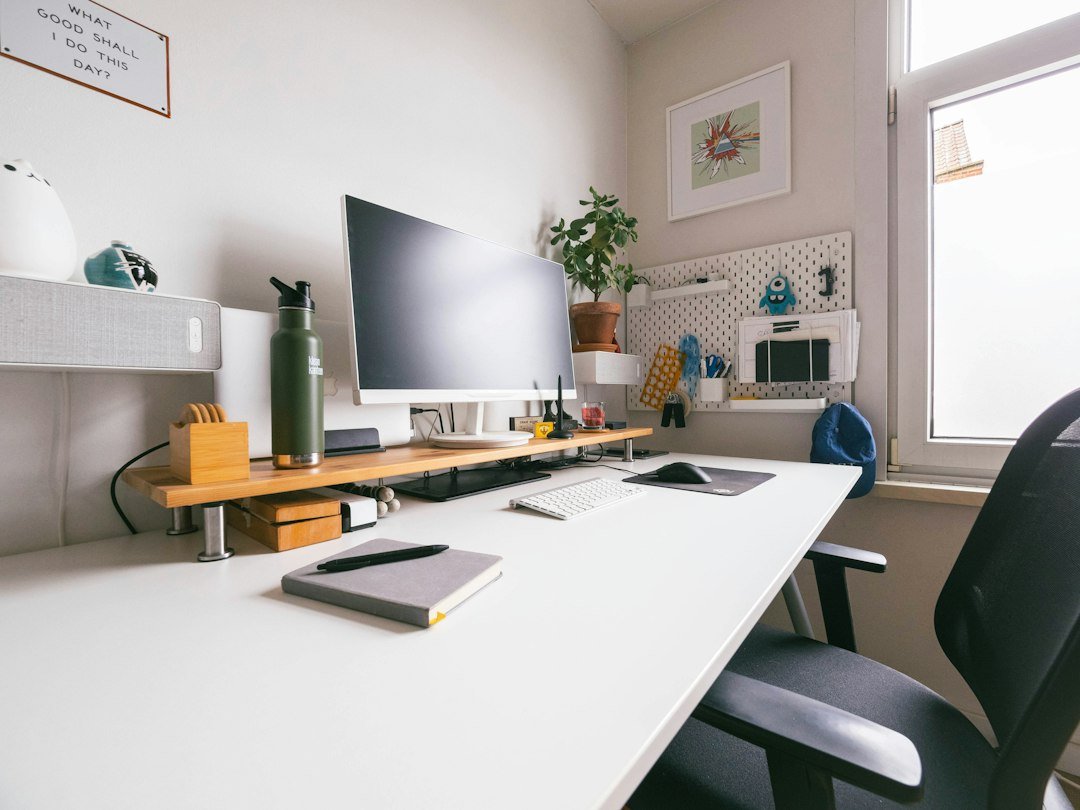
Start with a moment you know: the “where did I put that?” pile
One afternoon you clear a coffee cup, shuffle a stack of invoices and close a drawer—then the next day the same pile reappears. Home office organization isn’t about perfection; it’s about making common tasks frictionless so those piles never form in the first place. Below are 15 practical tips you can use immediately and build into reliable routines.
1. Clear surfaces first — adopt a “one-touch” rule for desk clutter
When you pick something up (mail, a charger, a sticky note), deal with it immediately: file it, trash it, or place it in an inbox. The one-touch rule reduces repeated handling and shrinks piles into manageable routines.
2. Create zones: work, reference, supplies, and inbox
Designate areas on and around your desk for specific activities. Keep daily tools within arm’s reach, reference materials on a nearby shelf, and supplies in a drawer or organizer. Physical zones reduce visual noise and speed task switching.
3. Use a small, visible inbox for actionable paper
Replace desktop stacks with a single vertical paper tray or shallow box labeled “Action.” Limit it to one week’s worth of items and process it on a set day. This prevents old documents from lingering under your keyboard.
4. Adopt a two-tier filing system
Not every document needs long-term storage. Use active files (current projects) and archived files (completed but important). A 3-drawer mobile file cabinet under the desk keeps active and archived folders separate and within reach—consider a model with wheels so it can move as your layout changes.
5. Go vertical: shelving and wall organizers save desk real estate
Floating shelves, pegboards, or wall-mounted magazine racks lift reference books and binders off the desk. Keep one shelf for reference materials and a small open cubby for items you use weekly.
6. Consolidate small items with modular desktop organizers
Use a pen cup, a tray for sticky notes, and a small compartmentalized organizer for chargers and adapters. Choosing modular pieces lets you rearrange as needs change.
7. Prioritize cable management
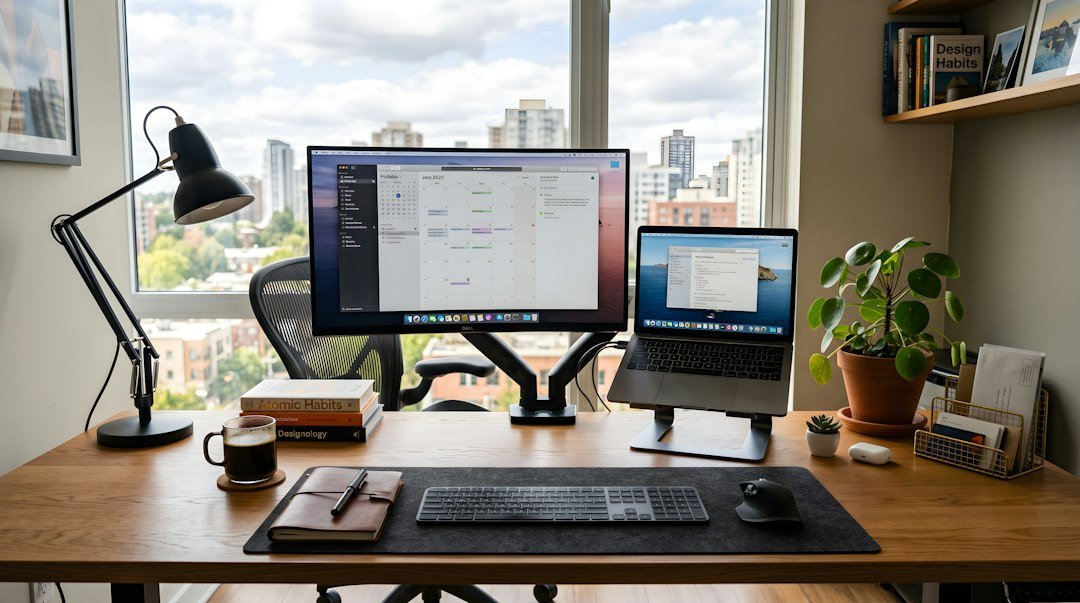
Loose cables create instant visual clutter. Use adhesive cable clips, a simple cable raceway under the desk, or a power strip mounted to the underside of a desk to route cords neatly. Label chargers with a small color band so you can grab the right one without untangling.
8. Elevate your laptop or monitor—free up space and improve ergonomics
A monitor stand or laptop riser creates storage room underneath for a keyboard, notebooks, or slim trays. This recovers valuable surface area and gives a cleaner sightline toward a less cluttered workspace.
9. Limit supplies on the desk—store extras elsewhere
Keep only essentials on the desktop. Store backup pens, paper, and envelopes in a drawer or nearby cabinet. Periodically cull excess; if you haven’t used it in three months, consider moving it to long-term storage.
10. Implement a simple labeling system
Labels make maintenance fast. Label drawers, baskets, and file folders with short, consistent names—“Invoices,” “Receipts,” “Pens,” not vague tags. A handheld label maker is a small investment that pays off by preventing guesswork.
11. Use clear storage bins for small categories
Transparent bins show contents at a glance and stack neatly on shelves. Assign one bin to electronics, another to craft supplies, and one to extra cables so everything has a home.
12. Reduce paper with digital workflows
Scan receipts and reference documents into dated folders in cloud storage. Use a consistent naming scheme (YYYY-MM-DD_subject) and a short retention policy: keep what you need and purge the rest annually.
13. Schedule a 10‑minute daily reset and a weekly tidy
A short daily tidy—returning items to their labelled places and clearing the inbox—keeps clutter from building. Once a week, do a deeper sweep: empty trash, shred outdated documents, and wipe surfaces.
14. Make “home” for every item—no orphan objects
If it doesn’t have a defined home, it ends up in a pile. When adding a new tool or supply, decide immediately where it will live. Revisit homes seasonally as your needs change.
15. Keep a small, attractive trash and recycle station nearby
Having a desktop waste bin for small scraps and a separate recycling container reduces paper shuffling and eliminates excuses to set items aside for later disposal.

Quick trade-offs and example setups
If you have limited floor space, prioritize a vertical file rack and wall shelves over a larger floor cabinet. For hardwood floors, choose a rolling cabinet with soft casters to avoid scratches. Remote workers who handle many packages may need an expanded supply zone; compact workers who mostly use a laptop benefit more from risers and slim trays.
- Identify the three most-used items on your desk.
- Choose one small organizer and one filing solution to buy or repurpose.
- Schedule a daily 10-minute reset time in your calendar.
- Decide which paper documents can be digitized this month.
Home office organization is the combination of small daily habits and a handful of right-sized storage solutions. Tackle visible clutter first, give every item a labeled home, and set short recurring maintenance times to keep the system working.
How often should I file or shred paper?
File current documents weekly and shred unneeded paper monthly; keeping to a simple schedule prevents backlogs.
What’s the best way to manage multiple chargers?
Use a small drawer organizer or labeled cable clips and keep rarely used chargers in a separate bin to avoid daily tangles.
Do I need a filing cabinet if I go mostly paperless?
A slim mobile file cabinet is still useful for occasional legal or tax documents; choose one that fits under your desk to save space.
Which items should always stay within arm’s reach?
Daily-use items like your mouse, notebook, favorite pen, and a charging cable should be on the desk; everything else can be stored nearby.
How do I stop re-cluttering after I tidy?
Adopt the one-touch rule and a daily reset: immediate decisions about each item (file, trash, put away) prevent piles from returning.