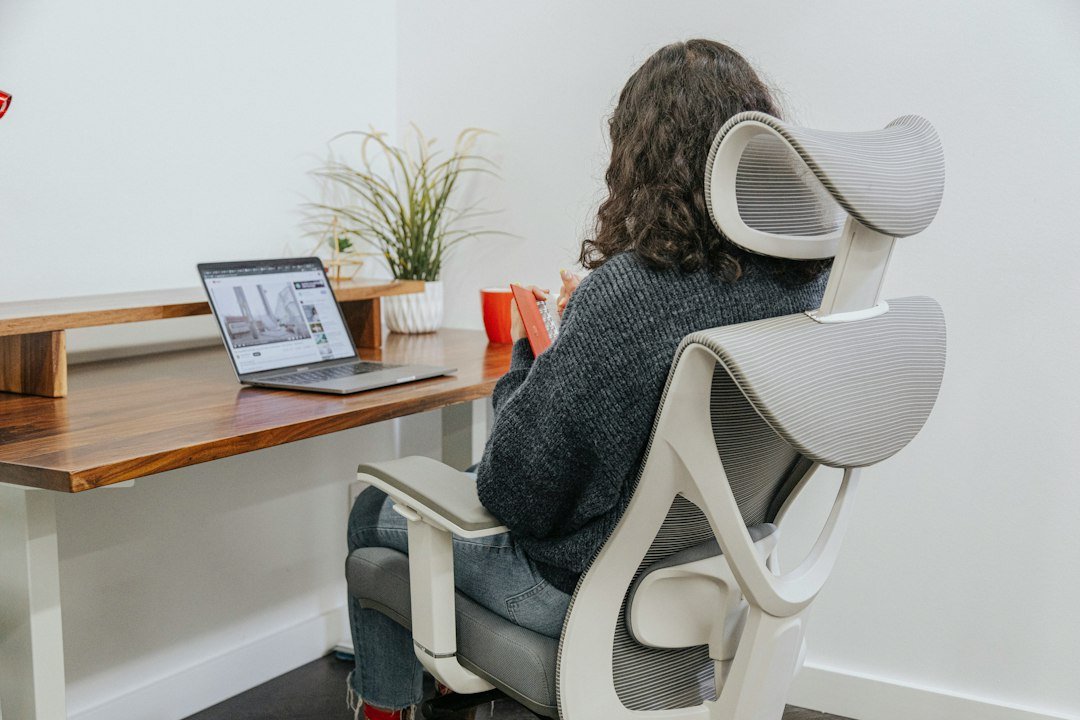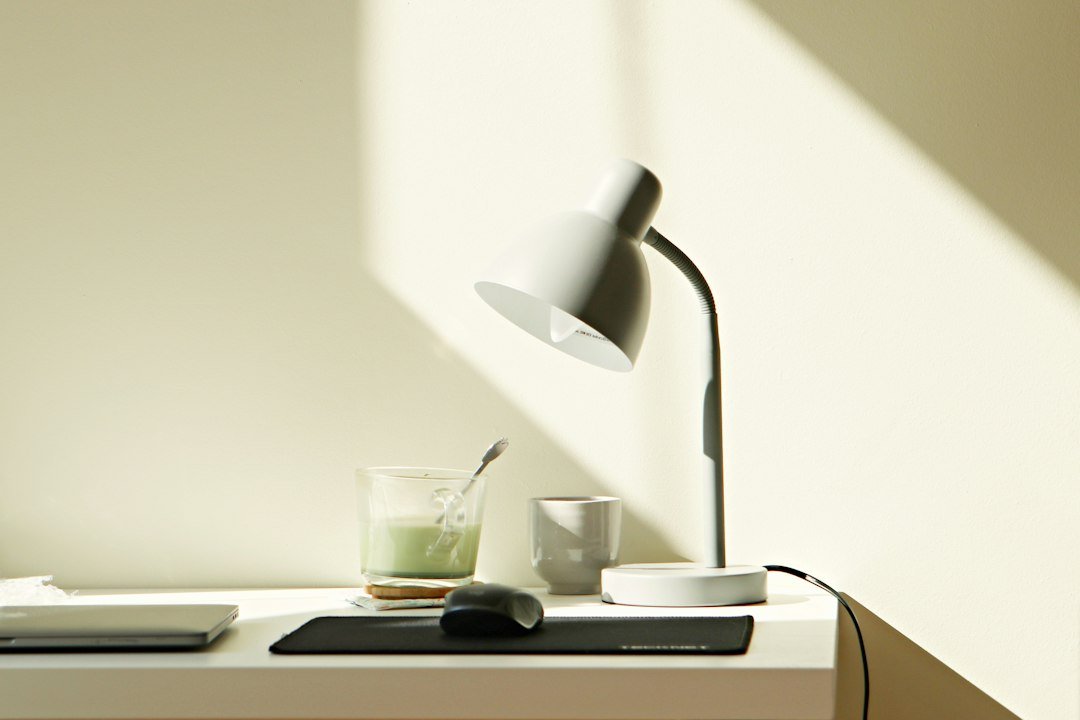
You open your laptop to start the morning and immediately move half a coffee mug, a stack of mail and a tangled charger to make room. If that scene feels familiar, a few targeted desk organization ideas can save surface area, shorten decision time and keep you focused. Below are ten practical strategies—some immediate wins, some small investments—that free space and reduce distraction.
1. Clear the surface with one “daily essentials” zone
Designate a small rectangle of desk space (6–12 inches deep) as the daily essentials zone: laptop/monitor, a notebook, one pen, and your phone stand. Everything else belongs off the work surface. That single rule forces you to pick what truly matters today and makes tidying a 30‑second habit.
2. Raise your monitor: gain real storage underneath
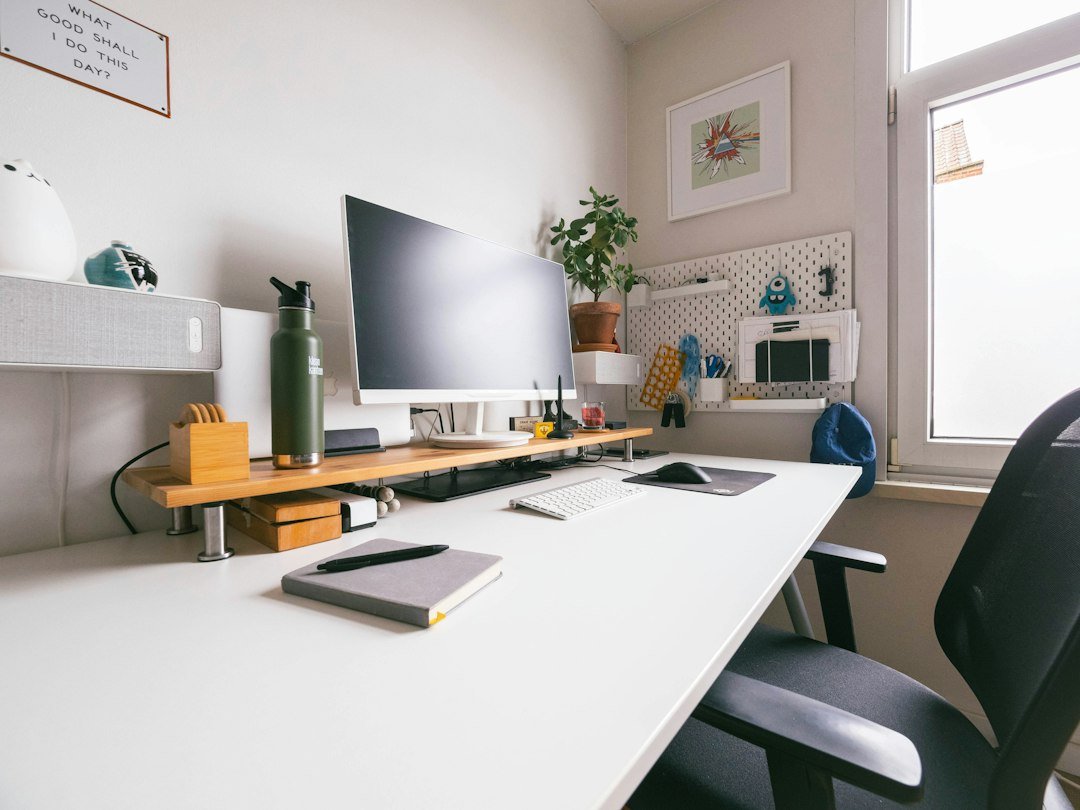
A monitor riser or simple stack of sturdy books creates hidden real estate for a keyboard, notebooks or a slim drawer. That reclaimed under‑monitor shelf keeps items accessible but out of sight, which reduces visual clutter and prevents papers from spreading across the desk.
3. Use vertical space with shelves, pegboards or wall organizers
When horizontal space is limited, think up. A small floating shelf or a pegboard above the desk holds reference books, a lamp, headphones or hanging baskets for mail. Choose shallow shelves (6–8 in.) so they don’t feel overbearing; pegboards are flexible for rearranging hooks and small containers.
4. Group similar things into slim storage trays
Replace loose piles with slim, stackable trays for papers, receipts and in‑progress projects. Use labels for the top edge so you can scan at a glance. Stacked trays free surface area by turning horizontal clutter into neat vertical layers.
5. Adopt an under-desk drawer or rolling file cabinet
If you need more secure storage, an under‑desk rolling cabinet tucks away files, chargers and infrequently used supplies without cluttering your knees. For many small desks a 2–3 drawer mobile unit is the best fit: it’s compact, lockable and mobile when you need to reposition it.
6. Contain cables and charging stations
Tangled cables create mess and friction. Route each cable into a clip or channel under the desk and consolidate chargers on a small power strip anchored to the desk’s underside or a shelf. Label the cords that look similar and keep one charging spot for daily use so you stop hunting for adapters.
7. Keep small tools accessible with a vertical pen cup or stackable caddies
A single narrow pen cup or a vertical caddy for scissors, highlighters and sticky notes prevents scatter. Choose a container that’s tall rather than wide to save surface area; if you share a desk, consider a shallow divided tray for everyone’s essentials to avoid mix‑ups.
8. Convert wasted gaps into purposeful storage
Look for odd spaces: the gap between monitor and wall, the little ledge beside your desk, or under a wall-mounted shelf. Slim magazine holders or a narrow rolling cart can squeeze into these spots and hold papers, printers, or refill supplies without reducing usable desk area.
9. Rotate—don’t store—project materials
Limit the number of ongoing projects on your desk to one or two. Use a labeled “Active” tray and a nearby shelf labeled “Later.” When a project stalls, move it off the desk. This rotation reduces decision fatigue and keeps the surface focused on the task at hand.
10. Build a 60‑second end-of-day tidy routine
Sweep the surface into a couple of destinations: recycling, “refer” pile, and the daily essentials zone. A short tidy routine prevents gradual accumulation of items that eventually consume the entire desk. Put a small waste basket and an inbox tray within arm’s reach to make the habit painless.
- Define a single daily essentials zone on your desk.
- Add a monitor riser or shelf to store items underneath.
- Install one vertical organizer: pegboard or floating shelf.
- Contain cables with clips and a mounted power strip.
- Assign one rolling drawer or slim cart for files/supplies.
- Create a 60‑second end‑of‑day tidy habit.
Reclaiming desk space is less about buying everything and more about deliberate limits: limit surface items, use vertical and under‑desk space, and make a short daily tidy the final step of your workday. Those three rules keep a small desk functional and calm.
Which desk organizer will save the most surface space?
Raising the monitor and using vertical shelving typically frees the most surface area because they create usable zones above and below items you already need on the desk.
How can I organize cables without drilling?
Use adhesive cable clips, under‑desk cable trays that clamp to the edge, or Velcro straps to bundle cords—these solutions require no permanent changes to the desk.
Is a rolling file cabinet worth it for a small desk?
Yes, if you need secure, hidden storage for files or bulky supplies; choose a narrow model that fits under your desk to preserve legroom.
How many active projects should I keep on my desk?
Keep one or two active projects visible; everything else should be stored in labeled trays or on a shelf to reduce cognitive load.
What’s the fastest way to make my desk look tidy right now?
Do a two‑minute sweep: stash loose items in a box, toss trash, stack papers into one labeled tray, and return pens to their cup.